Rotary Kilns: Meeting the Challenges of High-Temperature Processing
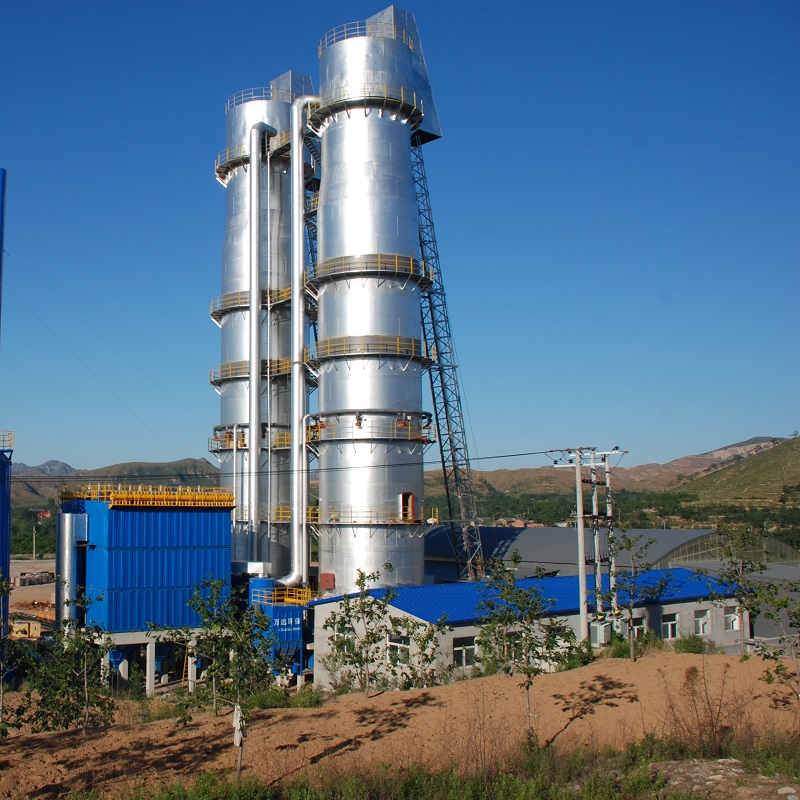
Ovens cook food with heat that comes from inside the oven itself. Did you know that sometimes, items need to be baked even hotter then an oven can handle? This is hightemperature processing that goes into making of many important products. Metal, cement and even medicine are made from hightemperature processing involving very hot temperatures. Well, how in the hell do we make stuff so hot that everything you see is on fire? Enter the special machines called Rotary Kilns
How We Move Heat
For it to be hot, we would have a method of transporting heat from one location to another. Forms of Heat Transfer The most noticeable methods of heat transfer are conduction, in which a material is warmed by immediate contact with another object; convection: through a liquid or gas (for the purpose to boil water); and radiation: a procedure that will need air. limestone rotary kiln is always a popular topic of scientific and engineering research. We do this to save energy and money. Rotary kilns have been upgraded to consume fewer energy with no compromises on quality and efficiency. This enables us to heat things without wasting energy and causing mass pollution in our environment.
Problems: Hot Conditions
Few things are more challenging than making something hot. Heat treatment of certain types of materials like plastics can lead them to break down or undergo chemically induced modifications, while others may start degrading (reacting with oxygen) if they are exposed at high temperatures for a longer time. So, it is critical to check the temperature. it can be hazardous for factory or industrial workers to work in high temperatures. That's to say: Rotary kilns are devised for secure solving of those conditions. They are designed for temperature control to ensure that no material is left damaged in the process. lime rotary kiln would also mean to save for the labors security as it can effectively closed all hot areas and decrease what direct workers are in front of high temperature or contaminated smoke.
Uses of Rotary Kilns
There are many industries where you can find rotary kilns. Mining Application is One Major Area Where These are Used. Mining from the earth is needed to extract metals and then refine into a usable form before consumers can benefit. This process allows rotary kilns to melt the metal and separate it from waste materials, which makes them cleaner and ready for use. However, rotary kilns are beneficial in waste treatment as well. We need to appropriately dispose of the materials we have left over that cannot be reused or recycled. Rotary klin can burn these waste materials at very high temperatures, resulting from the reduction of waste that we produce and ensuring a cleaner environment.
Operating Kilns Safely
As is the cae with any machine, they must be used safely and properly for lime calcination to work well. Certain steps are important, operators should go through it to work safely and efficiently. The first thing we need to check is that the materials they are processing can withstand high temperatures without breaking down. Secondly, it is necessary to regulate the temperature and speed for which things are processed. Why are tubes essential for the heating process? The third is to protect workers from heat and gases that could be harmful. The maintenance of the rotary kiln is finally important. The Worn Out Or Broken Parts Should Be Updated And Repaired Time To Time. By taking these steps, we make sure that such rotary kilns keep fulfilling the purpose of efficient hightemperature processing.
These are the professional rotary kilns that allow us to process different materials with efficiency and safety. They have improved throughout the years to become more energy efficient, and safer for workers. The use of rotary kilns is widespread in a variety of processes and industries. It varies from mining to the treatmentof waste streams, nowadays more than ever with industry looking towards scrubbing hazardous pollutants through finecoal or bioxidationmetal consumption compliance etc.. The bottom line is that practicing best practices and maintaining high standards of safety can help us run our rotary kilns successfully for years to come.


Comments
Post a Comment