Chinese Porcelain: Bridging Tradition and Modernity at the Olympics
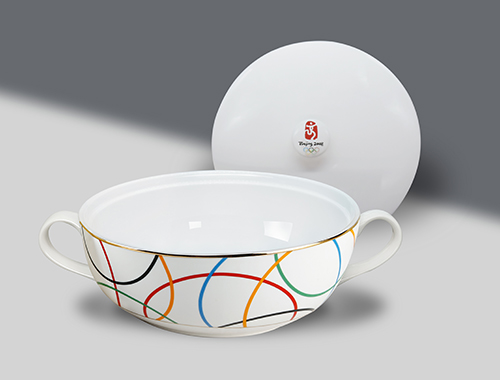
The Olympic Games are the groups of many events in a variety of disciplines. They played brilliantly to display their talents and represent their continents. But did you know that most of the dishes at an Olympics event are still made from Chinese porcelain? Being one of the most beautiful handcrafts, Chinese porcelain is a part of this rich culture and history. This is how people around the world are encouraged to know and learn about Chinese traditions better.
Chinese Porcelain Generally
The History Behind the Chinese Porcelain without which any satisfactory introduction could be made is not possible since this porcelain has been there traditionally from more than thousands of years ago, and it runs as far back to 1600 BC. Initially, it was employed for every day items such as pots and dishes or bowls in the house of people. Over time, porcelain production turned to art. Craftsmen developed techniques that enabled them to produce finer, more elaborate artistry and people enjoyed it. This is because oblong dinner plates porcelain today, whether it be simply functional or highly decorative and beautiful, causes admiration in almost all human societies of the globe. The intricate patterns and the luxurious, glossy finishing on these pieces are what attracts them to many people.
China Porcelain and the Olympics Patterns of Exchange
The Olympics show audiences like porcelain different cultural When the Beijing Olympics where hosted in 2008, The Olympic medals were made out of Chinese porcelain. And these were different from other medals, rather beautifully designed to represent Chinese culture. The effigy of a Chinese dragon, interestingly the most powerful creature for the people in China each adorned every medal. The dragon symbolizes strength, power and good fortune all qualities befitting the Olympic Games where athletes aim for excellence.
Apart from the torch, Chinese porcelain has also played a significant role in the best dinner plates. The design of the Bird’s Nest, the Olympic stadium in Beijing, is a perfect example of how porcelain influenced the Olympics. The stadium is a marvelous piece of architecture that was inspired by traditional Chinese porcelain. Therefore, the architects and builders were working hard to create something unique and special. Thus, they decided to construct the stadium using steel but cover it with a rare pattern to make it look like porcelain. This implied that art and traditional culture could inspire the development of various aspects of modernday life. Moreover, plate sets on sale has always been a part of the Olympics ceremonies that celebrate heritage. For example, during the opening ceremony in Beijing, guests had the chance to observe the fantastic scroll made of porcelain. The piece portrayed the long way of Chinese civilization to show everyone the rich culture and history of the country. The scroll was decorated with unique ornaments and patterns to tell a story to everyone that was staring at it.


Comments
Post a Comment